Understanding Childhood Myopia
Myopia, commonly known as nearsightedness, is a condition in which distant objects appear blurry while near objects remain clear. It occurs when the eye grows too long from front to back, causing light to focus in front of the retina rather than directly on it.
Myopia often begins during childhood and tends to worsen as children grow. While glasses and standard contact lenses can correct blurry vision, they do not slow the progression of myopia.
Today, eye care providers are increasingly focused on myopia control—treatments designed to slow the progression of nearsightedness during childhood.
The Growing Myopia Epidemic
Childhood myopia is increasing rapidly worldwide. Experts estimate that nearly half of the global population may be myopic by 2050. Increased screen time, reduced outdoor activity, and genetic factors are all believed to contribute.
Why does this matter?
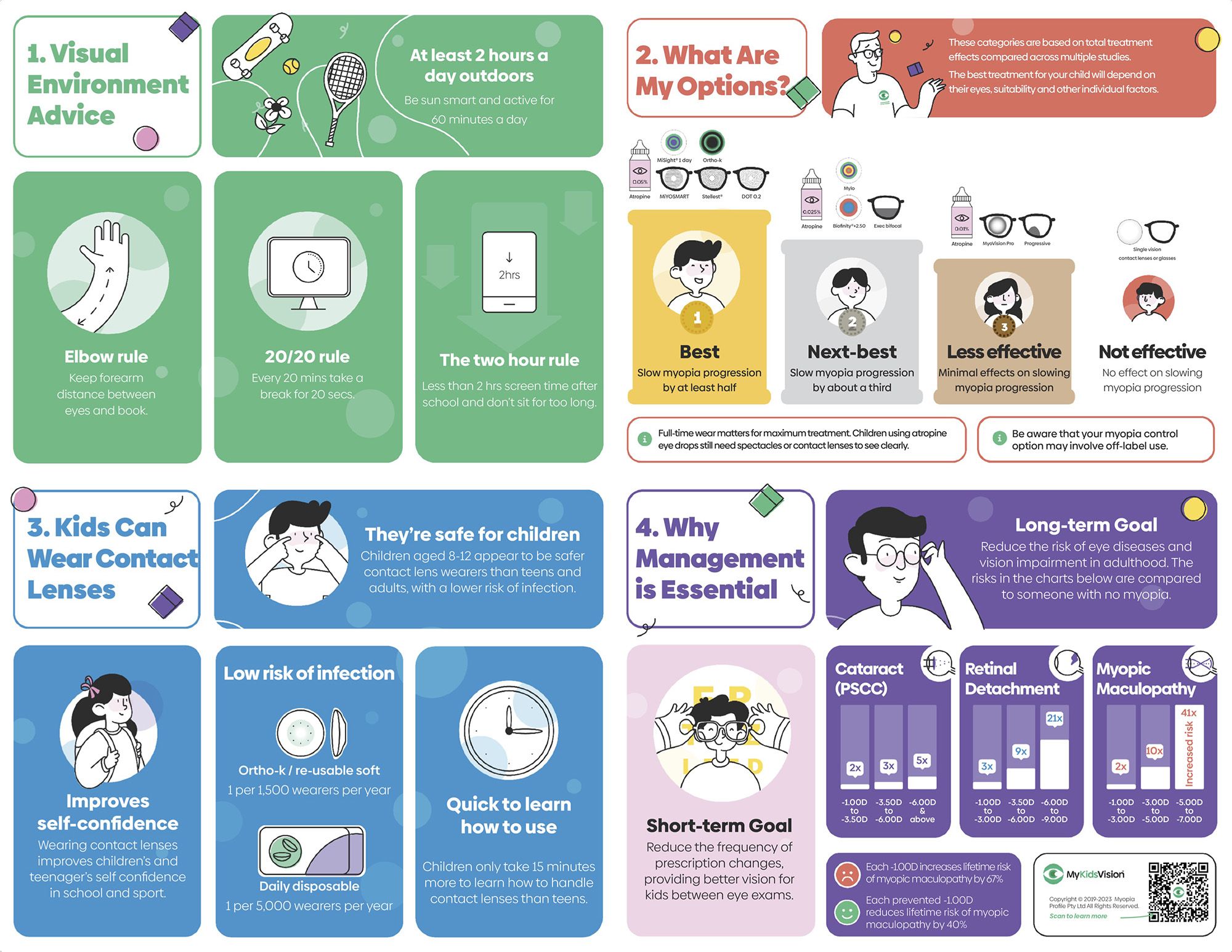
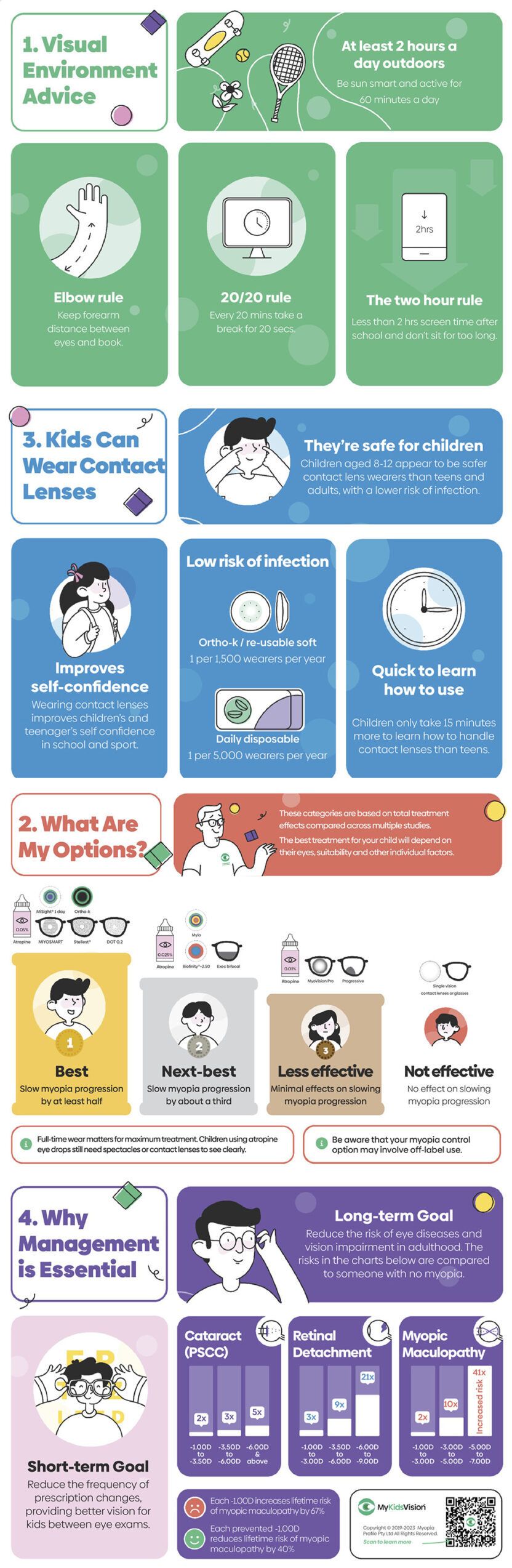
Higher levels of myopia increase the lifetime risk of serious eye diseases such as:
- Retinal detachment
- Glaucoma
- Myopic macular degeneration
- Early cataracts
By slowing myopia progression early in life, we can help reduce the risk of these complications later.
Myopia Control Options at Complete Eye Care
Dr. Paul Luong has extensive experience in specialty contact lenses and myopia management. Our practice offers several evidence-based options designed to slow the progression of nearsightedness in children and adolescents.
The best treatment depends on a child’s age, prescription, lifestyle, and rate of progression.
Orthokeratology (Ortho-K)
Orthokeratology uses specially designed custom overnight contact lenses that gently reshape the cornea while your child sleeps. When the lenses are removed in the morning, vision is clear throughout the day without glasses or contact lenses.
In addition to providing daytime freedom from lenses, Ortho-K has been shown to slow the progression of myopia in many children.
Soft Multifocal Contact Lenses
Certain daily disposable contact lenses are designed specifically to help slow myopia progression. One example is the FDA-approved MiSight® contact lens, which uses specialized optics to both correct vision and help reduce the rate of eye growth.
These lenses are worn during the day and replaced daily, making them a convenient option for many families.
Low-Dose Atropine Therapy
Diluted atropine eye drops used once nightly have been shown to slow the progression of childhood myopia. This treatment works by influencing the biochemical signals that drive eye growth.
Low-dose atropine is often used alone or in combination with other treatments depending on the child’s needs.
Stellest® Myopia Control Lenses
Stellest® lenses by Essilor are specialized eyeglass lenses designed to slow myopia progression. They incorporate advanced optical technology that helps reduce the stimulus for the eye to continue elongating while still providing clear vision.
For some children, Stellest lenses offer a non-contact lens option for myopia management.
Why Families Choose Complete Eye Care for Myopia Control
Effective myopia management requires careful monitoring and a personalized treatment plan.
Dr. Luong has a special clinical interest in myopia control and specialty contact lenses, including orthokeratology and advanced pediatric lens fitting. Our office uses modern diagnostic technology to monitor eye growth and track changes over time so treatment can be adjusted as needed.
Families throughout the St. Louis area trust Complete Eye Care for thoughtful, individualized myopia management aimed at protecting children’s vision both now and in the future.
Schedule a Myopia Control Consultation
If your child’s nearsightedness is progressing, early intervention can make a meaningful difference. We welcome the opportunity to evaluate your child and discuss the most appropriate myopia control options.
Is My Child a Candidate for Myopia Control?
Myopia control is most effective when started early, while the eyes are still developing. Children who are already nearsighted—or who show signs of rapidly changing prescriptions—may benefit from treatment designed to slow myopia progression.
Your child may be a candidate if they:
- Have been diagnosed with nearsightedness (myopia)
- Are experiencing frequent prescription changes
- Have one or both parents who are nearsighted
- Spend significant time on screens or doing near work
- Began developing myopia at a young age
During a myopia control consultation, we evaluate your child’s vision, eye health, and prescription history. We also measure key factors related to eye growth and determine the best treatment approach based on age, lifestyle, and the rate of progression.
Because every child’s eyes develop differently, myopia management is personalized, and treatment plans are often adjusted over time.
When Should Myopia Control Start?
Myopia control typically begins between ages 6 and 13, although treatment can be appropriate for some teenagers as well.
The earlier myopia begins, the more likely it is to progress to higher levels later in life. Starting treatment early can significantly reduce the final degree of nearsightedness and lower the long-term risk of eye disease associated with high myopia.
Even if your child already wears glasses, myopia control treatments may still help slow further progression.
Regular monitoring is an important part of treatment. Children enrolled in myopia control programs are usually evaluated every 6 to 12 months to track eye growth and ensure the treatment is working effectively.